NFT and Generative Art Through the 'Goose'
The Traditional Structure of Art and Creation
For a long time, art was understood as an act of translating the artist’s inner world into the external one.
An artist imagined an image in their mind and brought it into reality using their hands and tools.
The finished work was the result of the artist’s intention and decisions, and the value of art depended on how convincingly that intention was conveyed.
A Shift Brought by Generative Art
The emergence of generative art changed this structure. Today, the artist no longer directly creates the result, but instead designs the algorithm itself.
In this context, a work is no longer a single fixed outcome. It exists as a system—or even a world—in which countless different results can occur.
The Appearance of an Unforeseen “Goose”
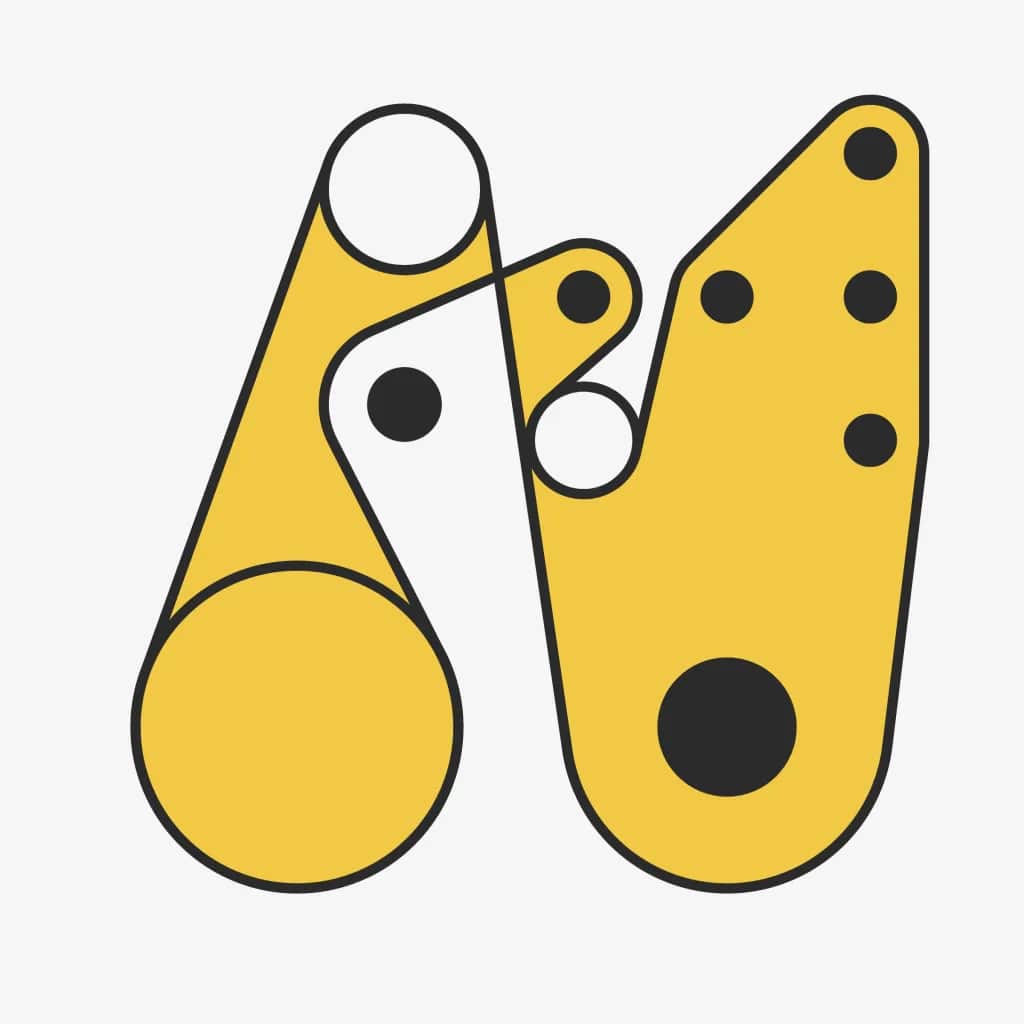
This shift is often illustrated by a well-known moment in generative art: the appearance of the so-called “goose” shape in Ringers, a work by Dmitri Cherniak.
Ringers is an on-chain generative artwork. Using only minimal elements—circular rings and threads—it generates entirely different visual results.
The outcome is determined only at the moment of minting, and even the artist cannot know in advance what image will appear.
https://opensea.io/collection/ringers-by-dmitri-cherniak
No one intentionally drew a goose. Neither the artist nor the collectors expected such a form to emerge.
The goose-like shape itself is not especially sophisticated or technically impressive.
Surprise Created by the Process, Not the Form
Yet this image caused surprise. The reason lies not in its shape, but in its process of creation.
It emerged accidentally from an algorithm where randomness and rules coexist, outside of the artist’s direct control or choice.
The Appeal of Generative Art
Art has always been one of the fields that responds quickly to technological change. Generative art is simply another step in that long tradition.
The “goose” is interesting not because of how it looks, but because it represents an unintended outcome produced by algorithms and randomness.
Since the artist does not decide everything, unexpected images can naturally become part of the work.
That unpredictability—and the experience of discovering a result rather than fully controlling it—is the simplest and clearest appeal of generative art.